Description
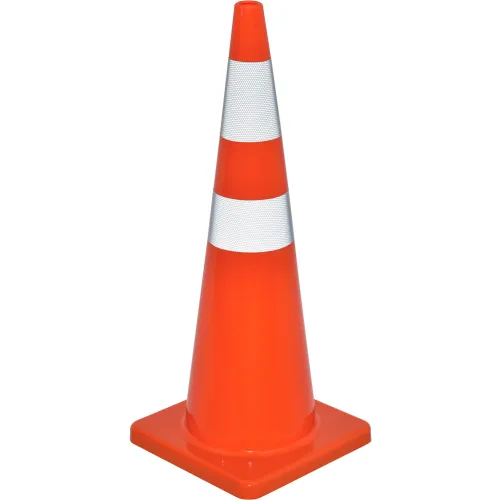
The Traffic Cone Orange Base 10 LBS is a durable, high-visibility safety device designed to control pedestrian and vehicular traffic in work zones, construction sites, and event spaces. This weatherproof orange PVC traffic cone meets MUTCD standards (Manual on Uniform Traffic Control Devices) and provides reliable, long-lasting performance in demanding outdoor environments.
Key Features and Specifications: This traffic cone features a robust orange PVC construction with a weighted 10-pound base that provides superior stability in moderate wind conditions and high-traffic areas. The cone’s bright safety orange color ensures maximum visibility during day and night operations, meeting federal visibility requirements for temporary traffic control. The weatherproof design resists UV degradation, moisture damage, and temperature fluctuations, making it suitable for year-round deployment. Standing at a standard height, this cone is ideal for marking hazards, lane closures, and restricted areas while remaining lightweight enough for easy transport and repositioning. The durable PVC material withstands repeated handling, storage, and exposure to road salt, chemicals, and harsh weather without cracking or fading.
Users and Applications: This product is essential for construction managers, road maintenance crews, event coordinators, and facility managers who require reliable temporary traffic control solutions. Common applications include highway construction zones, street repairs, parking lot management, special events, airport ground operations, and warehouse traffic flow management. DOT contractors, municipal departments, and utility companies rely on this cone for work zone safety and traffic calming initiatives. Retail establishments, shopping centers, and corporate campuses use these cones for valet operations, parking management, and temporary access control. Emergency response teams and law enforcement deploy traffic cones for accident scene management and crowd control during incidents.
What to Consider When Buying Traffic Cones: When selecting traffic cones for your operation, evaluate the base weight—a 10-pound base provides stability for moderate wind speeds and typical work conditions, though higher-wind environments may require heavier bases or additional stabilization. Consider the cone’s visibility rating and retroreflectivity standards; cones with reflective collars provide enhanced nighttime visibility. Assess your operational needs for cone height, portability, and storage requirements. Verify MUTCD compliance and any local regulatory requirements for your jurisdiction. Evaluate the durability of the PVC material quality—higher-grade PVC resists degradation and maintains color integrity longer. Calculate total cost of ownership, including replacement frequency, storage space, and transportation logistics. Stock levels should account for theft, damage, and peak-season demand variations.
What size traffic cone do I need for my application?
Standard traffic cones typically range from 28 inches to 36 inches in height. A 10-pound base cone is ideal for moderate-traffic areas, construction zones, and routine work sites where cones need repositioning regularly. For high-speed highways or windy conditions, consider cones with heavier bases (15-20 lbs) or taller heights. Smaller cones work well for parking lots and pedestrian areas where visibility and light weight matter. Verify your jurisdiction’s MUTCD requirements, which may specify minimum cone heights for different road classifications.
How do I ensure my traffic cones meet regulatory standards?
Verify that your cones comply with MUTCD standards and any state or local transportation regulations before deployment. Check for proper retroreflectivity ratings and color specifications—safety orange must meet federal chromaticity standards. Request certificates of compliance from suppliers. Many jurisdictions require specific reflective collars or retroreflective sleeves for nighttime operations. Document cone specifications, purchase dates, and compliance certifications for audit purposes. Contact your local Department of Transportation or relevant authority for jurisdiction-specific requirements.
What is the difference between a weighted base and a collar-weighted traffic cone?
A weighted base cone (like this 10-pound model) features a solid, heavy bottom that provides low-profile stability and easy stacking for storage. Collar-weighted cones use removable or attached rubber collars higher on the cone body, offering adjustable weight options and improved visibility enhancement through reflective bands. Base-weighted cones are more durable for frequent repositioning, provide better wind resistance, and stack more efficiently. Collar systems allow weight customization and faster deployment of reflective features. Select base-weighted cones for standard construction and traffic control; collar systems work better



Reviews
There are no reviews yet.