Description
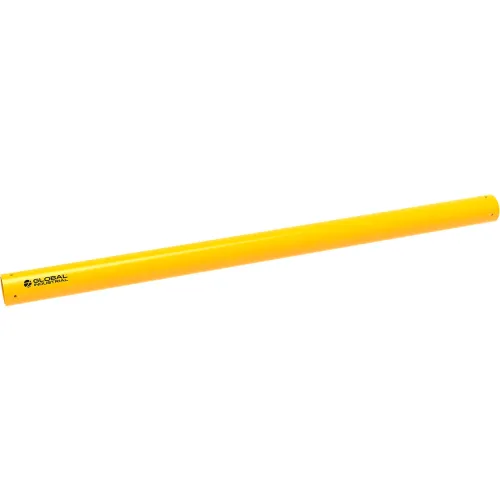
The PLASTIC GUARD RAIL ROUND 10L x 6D is a lightweight, impact-resistant safety barrier designed to protect inventory, equipment, and facility infrastructure from vehicle and forklift collisions. This round-style guard rail delivers dependable perimeter protection in warehouses, manufacturing plants, distribution centers, and outdoor storage areas where material handling equipment operates in close proximity to valuable assets.
This guard rail features a 10-foot length and 6-inch depth, making it ideal for creating protective zones around machinery, racking systems, and structural columns. The plastic construction offers significant advantages over traditional metal barriers: it’s corrosion-resistant, requires minimal maintenance, and won’t scratch or damage equipment during contact. The round profile design provides superior deflection and impact absorption compared to flat-faced alternatives, distributing force evenly across the barrier surface. The lightweight composition makes installation and repositioning straightforward without specialized equipment, while the durable polyethylene material withstands outdoor weather exposure, UV radiation, and temperature fluctuations. The guard rail meets OSHA safety standards for workplace perimeter protection and is engineered to absorb repeated low-to-moderate impact without cracking or permanent deformation. Each unit ships fully assembled and ready for mounting, with pre-drilled anchor points for secure fastening to concrete, asphalt, or floor surfaces.
Guard rail barriers like this model serve diverse industries and applications. Manufacturing facilities use them to establish machine safety zones and protect CNC equipment from accidentally driven forklifts. Warehouse operators deploy guard rails around pallet racking systems, high-value inventory sections, and loading dock perimeters. Distribution centers protect structural support columns that bear critical building loads from collision damage. Retail and commercial facilities install them around utility areas, HVAC equipment, and landscaping to prevent accidental vehicle impact. Cold storage facilities benefit from the plastic construction’s ability to function in sub-zero temperatures without becoming brittle. Automotive service centers and manufacturing plants use guard rails to create equipment protection zones around expensive machinery and workstations. Outdoor applications include protecting dumpster areas, fuel pump stations, utility boxes, and parking lot perimeters where vehicular traffic must be controlled and redirected away from sensitive assets.
When selecting guard rail products for your facility, several factors directly impact safety effectiveness and long-term value. First, assess your impact frequency and severity—low-speed warehouse impacts require different protection than higher-speed outdoor parking lot applications. Calculate the total linear footage needed and plan for overlapping sections and corner configurations to eliminate gaps. Consider mounting surface conditions: concrete requires concrete anchors, asphalt needs specialized fasteners, and some applications benefit from portable weighted-base systems. Evaluate your facility’s environmental exposure, including temperature extremes, chemical exposure, and UV radiation, which affect material durability over time. Verify that selected barriers comply with OSHA guidelines and your facility’s insurance requirements. Choose barrier height based on what you’re protecting—taller barriers work better for protecting machinery, while lower profiles work for racking protection. Consider visibility requirements and whether reflective striping or bright colors are necessary for safety awareness. Assess maintenance demands: plastic barriers need less upkeep than painted metal, but should still be inspected periodically for cracks or mounting degradation.
What size area can one 10-foot guard rail section protect?
A single 10-foot section establishes a linear barrier approximately 10 feet long and 6 inches deep, protecting against impacts in that specific zone. Total protection depends on your layout—for perimeter applications, calculate the full circumference needed and plan installations with multiple connected sections. Typical warehouse protection zones use 3-5 sections to fully surround machinery or racking areas. The 6-inch depth prevents vehicle wheels from rolling over the barrier, but consider additional sections at corners or intersections where multi-directional impact protection is required.
How do I properly install and secure this guard rail to different floor surfaces?
Installation method varies by surface type. On concrete floors, use concrete anchors or expansion bolts through the pre-drilled mounting holes, ensuring fasteners are rated for your expected impact loads. On asphalt or pavement, specialized asphalt anchors or adhesive-backed mounting systems provide secure fastening. For temporary installations, weighted-base stands allow repositioning without permanent attachment. Always space fasteners according to the manufacturer’s guidelines—typically every 2-3 feet—and verify that mounting hardware is corrosion-resistant. Inspect mounting points quarterly to confirm fasteners remain tight, as vibration from nearby equipment can loosen connections over time.
What is the difference between round-profile and flat-faced guard rail designs?
Round-profile guard rails like this model offer superior impact characteristics compared to flat-faced designs. The curved surface distributes collision force more evenly, reducing stress concentration on mounting points and minimizing damage from glancing impacts. Round profiles provide



Reviews
There are no reviews yet.