
Description
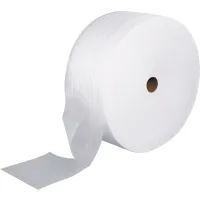
Perforated Air Foam Roll is a cushioning and void-fill material designed to protect fragile items during shipping and storage. This 48-inch wide by 750-foot roll of 3/32-inch thick white foam provides cost-effective protection for e-commerce operations, manufacturing facilities, and logistics centers that require high-volume packaging solutions.
The standout feature of this air foam roll is its perforated design, which allows you to tear off precisely sized sheets without requiring scissors, knives, or other cutting tools. This 48-inch width accommodates standard pallet dimensions and fits most packaging machinery, making it ideal for automated and semi-automated packing lines. The roll contains 750 linear feet of material, providing approximately 3,000 square feet of protective coverage when accounting for standard sheet configurations. The 3/32-inch thickness strikes an optimal balance between cushioning performance and material economy—thick enough to absorb shock and vibration during transit, yet thin enough to minimize dimensional weight charges on shipments. The bright white color ensures visibility in warehouse environments and allows for easy inspection of wrapped items. This roll comes wrapped and ready to use, with minimal setup required before deployment on your packing line.
This protective packaging material serves manufacturers, distributors, fulfillment centers, and retail operations shipping electronics, glassware, ceramics, automotive parts, medical devices, and other fragile goods. Food and beverage companies use perforated foam rolls to cushion bottles and jars in corrugated boxes. E-commerce retailers leverage this material for void-fill applications, wrapping individual items, and creating custom protective layers without waste. Logistics providers and third-party logistics (3PL) companies stock this product for customer-specific packaging requirements. The perforated format appeals to high-volume shippers who need consistent sheet sizes and fast packing speeds—operators can feed material through machinery or hand-tear sheets in seconds. Manufacturing facilities use foam roll stock in assembly operations where delicate components require protection before final packaging.
When selecting a foam roll product, evaluate your actual protection requirements first. Consider the fragility of items you’re shipping, expected shipping distances, and handling conditions—heavier items and longer transit routes typically justify thicker foam stock. Measure your standard box dimensions to ensure the 48-inch width aligns with your corrugated box sizes and packing workflows; this roll width works efficiently with standard 36-inch, 40-inch, and 48-inch box widths with minimal waste. Assess whether your operation benefits from perforated foam versus solid rolls; perforated material significantly reduces labor costs and improves packing consistency. Calculate your monthly volume needs against the 750-foot length to determine order frequency and storage requirements. Review whether your packing operation uses manual wrapping or mechanical dispensers; perforated rolls integrate seamlessly with most automated packaging systems. Compare the cost-per-square-foot against alternative cushioning materials like bubble wrap, kraft paper void-fill, and plastic foam peanuts—foam roll typically offers competitive pricing at scale. Verify that the white color meets your requirements; some operations prefer colored material for visibility or branding purposes.
What size sheets can I tear from this 48-inch wide perforated foam roll?
The perforated design allows you to tear sheets in any length you need. Most users tear 18-inch, 24-inch, or 36-inch lengths to match their packing workflows and box sizes. The 48-inch width can be torn lengthwise as well if you need narrower strips for wrapping individual items or filling small void spaces. Standard perforation spacing typically creates tear points every 12 inches along the length, giving you maximum flexibility in sheet sizing without material waste.
How do I use perforated air foam roll on an automated packing line?
Load the roll onto a standard mounting bracket or dispensing cradle positioned above your packing station. Feed the leading edge through your machinery’s tear mechanism or nip roller system. Train operators to align items on the foam layer, then activate the tear function to dispense appropriately sized protective sheets. The perforations ensure clean, consistent tears at high speeds—most automatic systems achieve 15-30 packages per minute depending on sheet length and wrapping complexity. Many facilities use bottom sheets to create a cushioning base, wrap items in the middle, and add top sheets before sealing the carton.
What is the difference between perforated and non-perforated foam rolls?
Perforated foam roll features pre-cut lines that create natural tear points, eliminating the need for cutting tools and reducing labor time significantly. Non-perforated rolls require knives, scissors, or hot-wire cutters to separate material, which slows packing operations and creates inconsistent sheet sizes. Perforated material also generates less waste because operators tear only what they need. However, non-perforated rolls offer superior strength for applications requiring continuous, uninterrupted protective layers. For most high-volume shipping operations, perforated foam delivers faster processing, lower labor costs, and more consistent results.</p


Reviews
There are no reviews yet.