Description
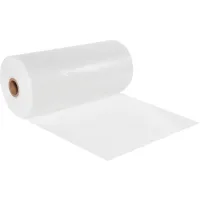
Low Density Polyethylene (LDPE) tubing is a flexible, transparent plastic film rolled into a continuous tube format, designed for wrapping, bundling, and protecting products during storage and transit. This 4-inch wide tubing is ideal for businesses that require high-volume packaging solutions with excellent clarity for visibility and cost-effective material usage.
This product delivers exceptional value for operations that demand reliable stretch film performance without premium pricing. The 4-mil gauge thickness provides optimal balance between tear resistance and flexibility, accommodating items ranging from small components to larger bundles. At 1075 feet in length, a single roll covers substantial linear footage, reducing changeover frequency and labor costs associated with roll replacement. The low-density composition ensures superior puncture resistance compared to standard polyethylene, while the clear formulation maintains complete product visibility for inventory management and customer inspection. The tubing format eliminates need for dispensers or applicators—simply unroll, wrap, and seal. This LDPE material exhibits excellent conformability around irregular shapes, making it invaluable for non-uniform merchandise bundling.
Shipping and packing departments across manufacturing, e-commerce, food distribution, and logistics sectors rely on this tubing for protecting goods against moisture, dust, and minor abrasion during handling and transport. Industries including automotive parts suppliers, agricultural product distributors, and consumer goods warehouses depend on consistent poly tubing performance for cost containment. The clear material is particularly valued in retail environments where brand presentation matters—customers can view packaged items without unwrapping. Custom bundles of tools, fasteners, textiles, and electronics are frequently sealed within this tubing format. Businesses implementing sustainable packaging practices appreciate that LDPE is recyclable, meeting environmental compliance in increasingly regulated markets.
When selecting poly tubing for your operation, prioritize the mil thickness based on product weight and fragility—4-mil represents the sweet spot for most industrial applications, offering superior puncture resistance to 2-mil while remaining more cost-effective than heavier 6-mil alternatives. Verify that your sealing equipment is compatible with LDPE film characteristics; heat-sealing temperatures should remain moderate to prevent melting or warping of the thin-wall tubing. Consider roll width in relation to your product dimensions to minimize waste—a 4-inch width suits most small-to-medium bundles, though some operations may require 6-inch or 8-inch alternatives for larger items. Inspect storage conditions; LDPE tubing should remain in climate-controlled environments away from direct sunlight to prevent degradation of the polymer matrix and maintain flexibility. Calculate your monthly consumption rates before purchasing bulk quantities to ensure optimal inventory rotation and prevent material deterioration from prolonged storage.
What size tubing do I need for my packaging application?
Tubing width selection depends directly on your bundle dimensions. The 4-inch width accommodates products with diameters up to approximately 3 inches when overlapped slightly during wrapping. If your typical items exceed 3 inches in diameter, consider stepping up to 6-inch tubing to avoid excessive material layering, which increases cost per package and complicates heat-sealing. Measure your largest regular product dimensions, then add approximately 1 inch for proper overlap during the sealing process to determine your minimum required width.
How do I properly seal low-density polyethylene tubing?
LDPE tubing can be sealed using standard impulse heat sealers, which are the most common method in industrial packing environments. Position the tubing end between the sealing bars, ensuring the bag sits flat without wrinkles that could compromise seal integrity. Apply heat for 1-2 seconds at temperatures between 250-300°F—exact specifications depend on your specific sealing equipment and desired seal strength. Allow sealed edges to cool briefly before handling to ensure the heat weld fully sets. Some operations use ultrasonic sealing technology for cleaner, faster seals without heat degradation. Alternatively, adhesive tape rated for poly film provides a quick, equipment-free solution for lower-speed operations.
What is the difference between low-density and high-density polyethylene tubing?
Low-density polyethylene (LDPE) offers superior flexibility, puncture resistance, and clarity compared to high-density alternatives, making it ideal for delicate or irregularly shaped items. HDPE tubing is more rigid and heat-resistant, better suited for industrial applications involving elevated temperatures or aggressive handling. LDPE costs less per linear foot and processes more efficiently in most standard heat-sealing equipment. For general shipping and bundling applications, LDPE is the preferred choice; specify HDPE only when extreme durability or temperature resistance is essential for your specific workflow.
Order this 4-inch by 1075-foot roll today and benefit from expedited warehouse processing with next-business-day shipping on in-stock inventory.
“`


Reviews
There are no reviews yet.