
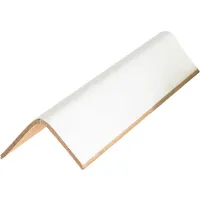
Description
Light Duty Edge Protectors are corner and edge reinforcement products designed to protect merchandise from damage during shipping, storage, and handling. These 3″ x 3″ x 36″ foam and plastic composite guards are essential protective packaging materials for businesses that ship fragile goods, furniture, glassware, mirrors, and other items vulnerable to impact damage.
Key Features & Specifications: These edge protectors measure 3 inches wide by 3 inches deep and come in 36-inch lengths, with a .12-inch (0.120 thickness) wall construction that provides reliable impact absorption without adding excessive bulk or weight to shipments. The bright white color makes these corner guards highly visible during packing operations, reducing errors and improving warehouse efficiency. Supplied in convenient packs of 80 units, this quantity allows businesses to maintain consistent inventory levels while minimizing per-unit costs. The lightweight foam-based material won’t damage delicate surfaces, unlike rigid plastic alternatives, and the .120 thickness provides sufficient structural integrity for light-duty to medium-duty applications. These edge protectors are easy to cut and fit to irregular shapes, offering flexibility in protecting various edge configurations and corners.
Common Users & Applications: E-commerce fulfillment centers, third-party logistics providers (3PLs), furniture retailers, glass and mirror distributors, appliance shippers, and general manufacturing companies rely on edge protectors as part of their comprehensive packaging solutions. Industries including home goods, automotive parts, electronics, and fragile specialty items utilize these corner guards to reduce damage claims, minimize product loss, and maintain customer satisfaction. Whether protecting the sharp edges of glass panels, preventing dent damage to furniture frames, or safeguarding cabinet corners during long-distance shipping, these protectors serve as a critical component in shipping room operations. Construction companies, renovation suppliers, and building material distributors also benefit from these guards when transporting materials that could damage surrounding goods or be damaged by shifting cargo.
What to Consider When Buying Edge Protectors: When evaluating protective packaging solutions, compare thickness specifications carefully—thicker protectors offer more cushioning but increase dimensional weight and shipping costs. Consider your specific application: light-duty protectors suit lower-impact environments, while heavy-duty alternatives are necessary for long-haul freight and stacked loads. Evaluate the material composition, as foam-based guards generally prevent surface marring better than rigid plastic options. Assess the length options available; 36-inch lengths provide excellent coverage for standard cartons and furniture pieces but may require cutting for smaller items. Bulk quantity pricing structures matter significantly for high-volume shippers; purchasing in larger packs typically reduces cost per unit substantially. Verify that your chosen edge protectors comply with any industry-specific packaging standards relevant to your products, particularly in food service, medical device, or electronics sectors. Finally, review color options—white provides excellent visibility in busy warehouse environments, while other colors may offer organizational benefits for categorizing different shipment types.
What size should I choose for my shipping boxes?
For standard corrugated shipping cartons (typically 12″ x 12″ x 12″ to 24″ x 18″ x 18″), the 3″ x 3″ x 36″ edge protectors work excellently when cut to length. Most businesses cut standard 36-inch protectors into custom lengths matching their specific box dimensions. For example, a 12-inch box depth would use 12-inch sections, creating four separate protective corners from one standard protector. Measure your box dimensions, then calculate the lengths needed for top and bottom edges. The 3″ x 3″ profile accommodates standard box corner geometry while providing adequate overlap for secure installation.
How do I install edge protectors on my products?
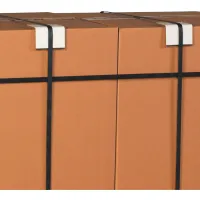
Installation is straightforward: position the protector over the corner or edge you’re protecting, then use your preferred adhesive—hot melt glue, pressure-sensitive tape, or foam-safe adhesive—to secure it in place. For furniture and larger items, many businesses apply protectors before wrapping with stretch film or kraft paper to hold them firmly during transit. Simply cut the 36-inch length to match your item’s dimension, apply adhesive to the back surface, and press firmly onto the corner or edge. Some operations pre-cut their standard lengths using utility knives for faster application. The foam material won’t damage sensitive surfaces, making it ideal for glassware, veneered furniture, and lacquered finishes.
What’s the difference between light-duty and heavy-duty edge protectors?
Light-duty protectors like this .120 thickness option feature thinner foam construction suitable for single-shipment, direct-to-consumer packages with minimal handling. Heavy-duty edge protectors feature thicker foam (.250″ or greater) and stronger composite construction designed for multi-handling environments, freight stacking, and long-haul transportation. Choose light-duty for parcel shipping, small furniture, glassware, and items with predictable handling. Select heavy-duty for pallet shipments, construction materials, appliances, or products subject to rough warehouse conditions. The .120 thickness represents an excellent balance for most e-commerce and retail operations, providing adequate protection while maintaining cost-effectiveness and


Reviews
There are no reviews yet.