Description
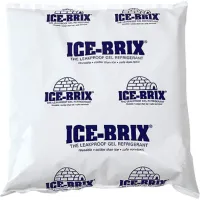
Ice-Brix™ Cold Packs are premium reusable thermal packaging solutions designed to maintain product temperature during shipping and storage. These 16-ounce cold packs provide reliable temperature control for temperature-sensitive shipments, making them essential for pharmaceutical, food, beverage, and biological specimen distribution.
Each pack measures 6-1/4″ L x 6″ W x 1″ H and features leak-proof construction to prevent damage to shipped goods. The white and blue design helps distinguish frozen packs from ambient-temperature materials, and the bulk 18-pack format reduces per-unit costs while ensuring adequate inventory for high-volume shipping operations. These cold packs are engineered with superior insulation properties and freezing point depression technology, allowing extended cooling duration compared to standard gel-based alternatives. The non-toxic gel formula meets FDA and USDA compliance requirements, making them suitable for direct contact with food products and pharmaceuticals. Their durable plastic shell withstands repeated freeze-thaw cycles, delivering 300+ reuses per pack and providing exceptional value for distribution centers and e-commerce fulfillment operations.
Temperature-controlled shipping is critical across multiple industries. Pharmaceutical distributors rely on cold packs to maintain cold chain compliance for medications, biologics, and vaccines during last-mile delivery. Food and beverage companies use them to preserve product quality for perishables, frozen foods, and specialty items shipped via parcel carriers. Biotechnology firms depend on consistent thermal performance for blood samples, tissue cultures, and diagnostic materials. Medical device manufacturers integrate cold packs into temperature-monitored packaging systems for temperature-sensitive components. Additionally, cosmetics brands, specialty retail operations, and meal delivery services utilize these packs as part of comprehensive cold chain logistics strategies. Industrial laboratories and research facilities also employ cold packs for sample preservation and thermal conditioning during transport and temporary storage.
When selecting reusable cold packs for your shipping operation, evaluate several critical factors. Cooling duration determines how long packs maintain target temperatures—verify specifications against your typical transit times and ambient conditions. Pack dimensions must fit within your insulated boxes without excessive empty space that compromises overall thermal efficiency. Consider the phase change material (PCM) composition and freezing point to ensure performance aligns with your temperature requirements. Assess durability ratings, including freeze-thaw cycle capacity and puncture resistance, since damaged packs compromise shipment integrity. Verify regulatory compliance certifications for your industry—pharmaceutical shipments require stricter standards than general merchandise. Calculate total cost per use by dividing pack cost by expected lifecycle reuses rather than comparing single-unit prices. Finally, confirm bulk purchasing minimums, reorder lead times, and storage space requirements to optimize supply chain efficiency.
What size cold pack do I need for my shipping boxes?
Ice-Brix™ Cold Packs at 16 ounces and 6-1/4″ x 6″ x 1″ dimensions fit standard small-to-medium shipping boxes and insulated mailers. As a general rule, allocate 1-2 packs per pound of product being shipped and ensure packs occupy no more than 30% of your insulated box’s interior volume. For longer transit times (48+ hours) or warmer climates, use multiple packs positioned around products to maximize thermal conductivity and minimize temperature fluctuation.
How do I prepare and reuse these cold packs for multiple shipments?
After receiving a shipment, remove cold packs immediately and allow them to thaw at room temperature for 2-4 hours. Inspect for cracks or leaks; properly functioning packs show no gel seepage. Clean surfaces with mild soap and water, dry completely, then store in a cool, dry location. To refreeze, place packs flat in a standard freezer for 12-18 hours until completely solid. Most facilities establish cold pack rotation protocols to maintain continuous inventory while ensuring packs meet durability standards throughout their lifecycle.
What’s the difference between gel-based cold packs and phase change material packs?
Traditional gel-based cold packs use water-based solutions with freezing points near 32°F, while phase change material (PCM) technology in premium cold packs maintains consistent temperatures at specific target points (typically 2°C for pharmaceutical applications). PCM-based packs like Ice-Brix™ provide superior temperature stability, longer cooling duration, and more predictable thermal performance across varying ambient


Reviews
There are no reviews yet.