Description
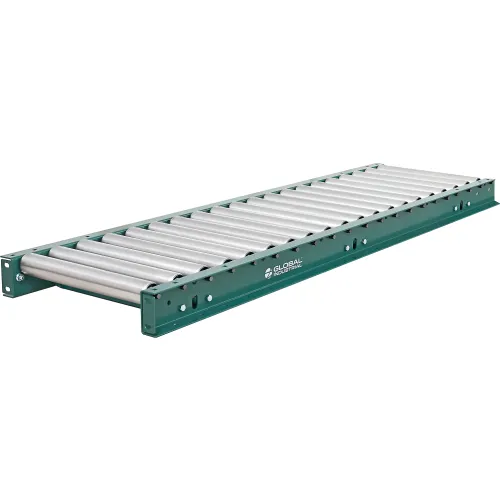
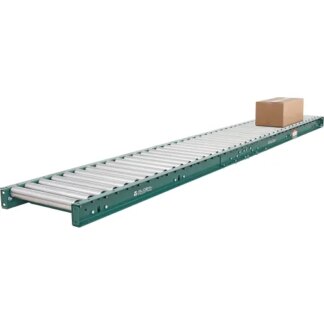
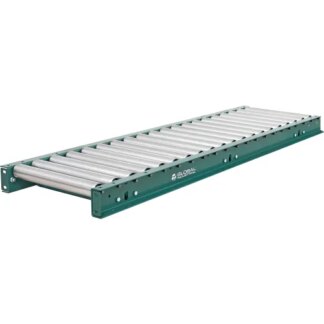
The Gravity Roller Conveyor 5FT 21″ 3″ Axle is a straight-section powered conveyor system designed to move pallets, cartons, and cases through your facility using gravity and rollers. This industrial conveyor solution is essential for warehouses, distribution centers, manufacturing plants, and fulfillment operations that need reliable, high-capacity material handling without complex motorization.
This gravity roller conveyor features a robust 5-foot length with a 21-inch frame width and 3-inch axle center distance, engineered to support a substantial 660 lbs per linear foot load capacity. The straight-section design integrates seamlessly into existing conveyor systems and assembly lines, allowing smooth product flow from one workstation to another. The 3-inch roller diameter combined with the axle specification ensures optimal contact and weight distribution across your moving loads. Heavy-duty construction means minimal maintenance, extended operational life, and consistent performance in demanding industrial environments. The compact 21-inch width accommodates standard pallet dimensions and smaller carton sizes while maintaining stability and preventing product drift during transit.
Gravity roller conveyors are used across diverse industries including e-commerce fulfillment, automotive manufacturing, food and beverage distribution, pharmaceuticals, and general warehousing operations. Common applications include order fulfillment lines where products move from picking stations to packing areas, assembly line buffer zones that regulate workflow between production stages, cross-docking facilities that require temporary product staging, and shipping departments where palletized goods need to flow toward loading docks. This model is particularly valuable in operations that prioritize low operational costs since gravity systems require no electricity at the point of use, making them ideal for cost-conscious facilities managing high throughput volumes.
When selecting a gravity conveyor roller system, several critical factors determine whether a unit meets your specific needs. First, verify that your typical load weights fall safely within the 660 lbs per linear foot capacity—this accounts for both the weight of individual items and concentrated load placement. Consider the 21-inch width compatibility with your product dimensions and existing conveyor framework; measure your pallets, cases, or containers to ensure proper tracking and stability. Evaluate the incline requirements of your facility layout; while gravity systems work best on slight declines (typically 1-3 degrees), understanding your facility’s grade is essential for optimal performance. Assess whether the 5-foot straight section fits your current system or if you’ll need additional sections, transitions, or legs to achieve your desired conveyor configuration. Finally, review your throughput requirements and compare them against roller spacing and bearing specifications to ensure consistent, jam-free operation during peak demand periods.
What size pallets and products can this gravity roller conveyor handle?
The 21-inch frame width accommodates most standard pallet dimensions, including half-pallets and smaller full pallets (typically up to 48 inches when positioned correctly). Individual carton sizes up to 21 inches in width track properly without drift, and the 660 lbs per linear foot capacity supports multiple cases stacked or arranged across the roller width. For loads exceeding 21 inches, consider using edge supports or wider conveyor models. Always verify specific product dimensions and weight distribution with your operations team before integration.
How do I connect this 5-foot section to my existing conveyor system?
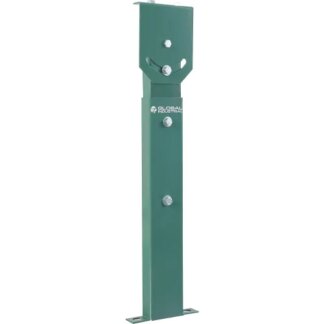
Gravity roller conveyor sections connect via standard conveyor frame mounting points, which allow bolting directly to adjacent sections or to stationary support frames. The 3-inch axle center and 21-inch width are industry-standard measurements that ensure compatibility with compatible transition pieces, legs, and support stands. Most facilities use adjustable support legs or pedestal stands to achieve the proper incline angle and height. Consult the installation documentation or our technical support team for guidance on connecting your specific equipment configuration, including frame alignment and bolt specifications.
What is the difference between gravity rollers and powered conveyor systems?
Gravity roller conveyors rely on product weight and facility slope to move items, requiring zero electricity and minimal maintenance, making them cost-effective for continuous-flow operations. Powered conveyor systems use motors and belting to move products uphill and accommodate non-ideal floor grades, offering greater control but requiring electrical infrastructure and higher operational costs. Gravity systems excel in warehouses with proper layout and consistent product flow, while powered systems suit facilities with complex routing, incline challenges, or intermittent product movement requiring precise speed control.
Stock availability and expedited shipping options ensure you can deploy this industrial conveyor component quickly to maintain production schedules.
“`


Reviews
There are no reviews yet.