
Description
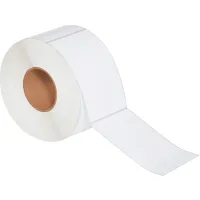
Direct Thermal Labels are specialized barcode and shipping labels that print using heat-sensitive technology without requiring ink or toner cartridges. These 4″W x 6-1/2″L labels are ideal for high-volume shipping operations, warehouses, and logistics centers that need reliable, cost-effective label production on demand.
This 4-pack contains direct thermal label rolls with a 3-inch core diameter, designed for compatibility with most standard label printers and thermal label applicators. Key specifications include white background printing suitable for barcode scanning, professional-grade adhesive backing, and consistent 4-inch width with 6.5-inch length dimensions. The 3″ core accommodates standard printer mechanisms, reducing setup time and ensuring smooth label feed. Direct thermal technology eliminates ongoing ink and toner expenses while delivering fast print speeds up to 150mm per second on compatible equipment. These labels feature excellent print darkness and contrast ratios, making them ideal for both UPC barcodes and 2D codes. The white thermal paper stock resists fading during typical shipping and storage conditions, maintaining barcode readability throughout the shipping lifecycle. Each roll offers approximately 500-1000 labels depending on printer configuration, maximizing operational efficiency for distribution centers and e-commerce fulfillment operations.
Direct thermal labels serve critical functions across retail, manufacturing, healthcare, food service, and logistics industries. Warehouse managers use these labels for packing slips, shipping manifests, and inventory tracking. E-commerce fulfillment centers rely on direct thermal technology for rapid order labeling during peak shipping seasons. Manufacturing facilities apply these labels for product identification, lot tracking, and supply chain management. Healthcare providers use direct thermal labels for patient identification and specimen tracking where durability and readability are non-negotiable. Shipping and logistics companies depend on direct thermal label rolls for address labels, parcel barcodes, and tracking information. Food service distributors utilize these labels for product labeling and expiration date tracking. The versatility of 4×6.5-inch dimensions accommodates most standard shipping label requirements while fitting common label printer specifications used in industrial operations.
When purchasing direct thermal label stock, evaluate several critical factors to ensure optimal performance and cost-effectiveness. First, verify printer compatibility—confirm your equipment supports 3-inch core rolls and 4-inch width specifications to avoid incompatibility issues. Second, assess label adhesive strength appropriate for your application; standard permanent adhesive works for most shipping scenarios, but high-temperature environments may require specialty adhesive formulations. Third, consider label quantity requirements and storage capacity—bulk purchasing reduces per-unit costs but requires proper storage in cool, dry conditions away from direct sunlight to prevent premature fading. Fourth, verify print resolution compatibility with your barcode scanning systems; 203 DPI or 300 DPI options affect readability and scanning speed. Fifth, evaluate supplier reliability and lead times, as high-volume operations cannot afford labeling downtime. Finally, calculate total cost of ownership including printer maintenance and electricity consumption, as direct thermal technology typically reduces operational expenses compared to inkjet or laser alternatives. Ensure labels meet industry standards for barcode printing and include sufficient white space for proper barcode placement and scanning.
What size are Direct Thermal Labels and do they fit standard printer equipment?
These direct thermal labels measure 4 inches wide by 6.5 inches long, making them compatible with most standard 4×6 thermal label printers used in shipping departments and warehouses. The 3-inch core diameter fits standard printer mechanisms on equipment from major manufacturers. Before purchasing, confirm your thermal printer specifications match 4-inch width and 3-inch core requirements to ensure proper label feed and prevent equipment jams. The 4×6.5-inch dimension is the industry standard for shipping labels and accommodates typical address blocks, barcode placement, and carrier-specific label requirements.
How do direct thermal labels differ from thermal transfer labels?
Direct thermal printing uses heat-sensitive paper that darkens when exposed to printer heat, requiring no ink or ribbon consumables. Thermal transfer printing requires a separate ribbon that melts onto the label surface. Direct thermal labels cost less per unit since they eliminate ribbon inventory and disposal, but thermal transfer labels typically offer superior durability in harsh environments, moisture exposure, or high-temperature applications. For standard shipping operations with moderate environmental conditions, direct thermal labels provide superior cost efficiency and faster printing speeds. Thermal transfer becomes necessary when labels must withstand extreme temperatures, chemical exposure, or extended outdoor storage.
What is the approximate label count per roll, and how should I store direct thermal label rolls?
Each direct thermal label roll yields approximately 500-1000 labels depending on your specific printer configuration and label spacing settings. Store direct thermal label rolls in cool, dry conditions between 60-80 degrees Fahrenheit with 35-65% relative humidity to prevent moisture absorption or paper degradation. Keep rolls in original packaging away from direct sunlight, heat sources, and fluorescent lighting, which can cause premature fading of the thermally-sensitive paper. Proper


Reviews
There are no reviews yet.