
Description
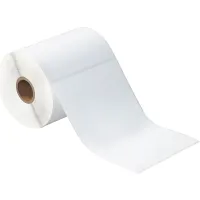
Desktop Direct Thermal Labels are high-performance, self-adhesive label rolls designed for high-volume shipping, logistics, and inventory management operations. These 4″ x 6″ thermal labels eliminate the need for ink cartridges or toner, making them the cost-effective standard choice for businesses that process dozens to hundreds of shipments daily.
Each roll features a 1-inch cardboard core with a 4-inch outer diameter, providing substantial label capacity in a compact footprint ideal for desktop thermal printers. The white thermal paper construction delivers sharp, smudge-resistant barcode readability and excellent adhesion on corrugated boxes, envelopes, and poly mailers. With 12 rolls per pack, you maintain consistent inventory of replacement rolls without excess storage burden. The direct thermal printing technology requires no ribbons, reducing consumable costs and machine downtime while increasing throughput for shipping departments. These pre-sized label rolls integrate seamlessly with major shipping software platforms including industry-standard carrier integrations, ensuring automatic label generation without manual resizing or formatting.
Shipping and logistics operations represent the primary user base for these desktop thermal labels, including third-party logistics (3PL) providers, e-commerce fulfillment centers, and enterprise retail distribution networks. Small-to-medium parcel shippers, medical supply distributors, and subscription box services rely on this format for daily operations. Warehouse management systems (WMS) and order management systems (OMS) platforms output directly to thermal printers using these roll dimensions. Manufacturing facilities use identical thermal label stock for pallet labeling, product identification, and shipment tracking. Cold chain logistics, pharmaceutical distribution, and temperature-controlled shipping operations depend on the durability and print quality of thermal label media for compliance documentation and route tracking.
When evaluating direct thermal label rolls for procurement, verify compatibility with your existing desktop thermal printer model—thermal label specifications vary by printer manufacturer and print resolution capability (typically 203 or 300 DPI). Assess your monthly label volume to determine appropriate pack quantities; underestimating consumption leads to operational delays, while overordering ties up working capital and warehouse space. Consider the adhesive strength and composition—permanent adhesive suits permanent labeling applications, while removable adhesive serves temporary applications on returnable containers. Examine label paper weight and thickness; thermal paper density affects print darkness and longevity in storage conditions. Verify core tube compatibility with your printer’s label roll spindle specifications, as mismatched cores cause feeding errors and downtime. Review the thermal paper’s resistance to environmental conditions including moisture, temperature fluctuations, and UV exposure if labels remain visible during extended shipping periods. Confirm that your label design files match the 4″ W x 6″ L specifications to avoid scaling errors that compromise barcode scannability.
What size labels do I need for standard parcel shipping?
The 4″ x 6″ label size represents the industry standard for parcel shipping labels and fits within USPS, UPS, and FedEx specifications for primary shipping label placement. This size accommodates barcodes, tracking numbers, routing information, and delivery instructions without requiring multiple label applications. Smaller 4″ x 4″ formats exist for confined spaces, while larger formats suit oversized freight documentation, but the 4″ x 6″ dimension optimizes cost, materials usage, and printer compatibility across the industry.
How do I ensure my thermal labels print clearly and remain readable during shipping?
Direct thermal printing produces permanent, smudge-resistant marks without ink, but print quality depends on printer calibration and thermal paper quality. Maintain proper printer cleaning schedules to prevent thermal head residue buildup, which reduces print contrast. Store thermal label rolls in climate-controlled environments (68-77°F, 35-65% humidity) to prevent paper deterioration. Verify printer darkness settings match your specific thermal paper specification; premium-grade thermal paper produces darker prints than economy alternatives. Ensure label application surfaces are clean and dry to maximize adhesive contact. Test label readability with your barcode scanning equipment during printer commissioning to confirm system integration before full production.
What is the difference between direct thermal and thermal transfer label printing?
Direct thermal printing applies heat directly to chemically-treated thermal paper, requiring no ink or ribbon—this process delivers cost savings and simplicity, ideal for high-volume shipping labels with moderate shelf life. Thermal transfer printing uses a heated ribbon to transfer ink onto label media, enabling printing on various materials and providing superior durability and extended outdoor performance. Direct thermal excels for applications requiring immediate printing and frequent label replacement; thermal transfer suits applications demanding extended label lifespan, extreme environment exposure, or specialized media compatibility. The 4″ x 6″ standard accommodates both technologies, but your printer type determines which method applies.
Order Desktop Direct Thermal Labels today and benefit from fast, reliable shipping with same-day fulfillment on in-stock quantities and continuous supply availability.


Reviews
There are no reviews yet.