

Description
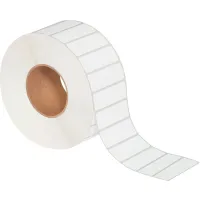
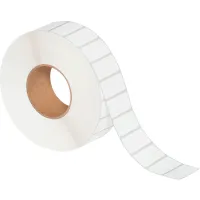
Desktop Direct Thermal Labels are pre-sized label rolls engineered for high-volume shipping and logistics operations without requiring ink, toner, or ribbon consumables. These 4″ × 2″ thermal transfer labels are the industry standard for warehouses, fulfillment centers, and distribution facilities that need fast, reliable barcode and address printing on compact desktop thermal printers.
This 12-pack of direct thermal label rolls delivers essential specifications for professional shipping workflows. Each roll measures 4 inches wide by 2 inches in length, designed to maximize label density while maintaining compatibility with standard 1-inch cardboard cores and 4-inch outer diameters. The white label stock provides high contrast for barcode scanners, optical character recognition (OCR), and human-readable shipping information. Direct thermal technology eliminates ongoing ink cartridge expenses, reducing cost per label by 40–60% compared to inkjet or thermal transfer alternatives. The 12-roll quantity ensures adequate inventory for mid-sized operations running 500–2,000 labels daily without frequent reordering.
Warehousing and logistics professionals rely on these desktop thermal labels for parcel tracking, return labels, packing slip integration, and compliance labeling across e-commerce, retail, healthcare, and manufacturing sectors. Small parcel carriers, third-party logistics (3PL) providers, and in-house fulfillment departments use 4″ × 2″ rolls as the optimal balance between printable surface area and label per-roll count. Direct thermal printing is ideal for temperature-controlled indoor storage since the labels resist moisture and mechanical wear during conveyor system transit. These rolls work seamlessly with major shipping software platforms including integration with carrier APIs for real-time barcode generation, batch printing, and label tracking databases.
When purchasing desktop direct thermal label rolls, evaluate core compatibility with your existing thermal printer’s spindle system—1-inch cores fit universal carriage mechanisms on most entry-level and mid-range desktop models. Verify that your printer supports 4-inch outer diameter rolls without requiring adjustment brackets or adapter hardware. Confirm that label dimensions (4″W × 2″L) match your template specifications in shipping software to prevent printing errors or barcode positioning failures. Review the adhesive strength rating for your specific application; standard thermal label stock works for standard boxes and envelopes, but reinforced adhesive versions are available for irregular surfaces or high-temperature environments. Calculate expected monthly consumption to determine if 12-pack quantity aligns with your usage rate—purchasing in bulk reduces per-roll cost and minimizes supply chain disruptions. Finally, verify that direct thermal technology suits your climate; direct thermal labels perform optimally in stable indoor environments and may fade if exposed to prolonged direct sunlight or extreme heat during long-term storage.
What size printer do I need for 4″ × 2″ direct thermal labels?
Desktop direct thermal printers supporting 4-inch maximum roll width accommodate 4″W × 2″L labels without modification. Standard desktop thermal printers typically support roll widths up to 4.5 inches and outer diameters up to 5 inches, making this label size universally compatible with commercial-grade desktop units. Verify your printer’s technical specifications for maximum print width and roll diameter before purchasing to ensure proper feed and print alignment. Most shipping software platforms auto-detect connected thermal printers and display compatible label dimensions during template setup.
How do I prevent label jams and improve print reliability with thermal rolls?
Direct thermal label rolls require minimal maintenance compared to ribbon-based systems, but proper storage and handling extend reliability. Store rolls in a cool, dry environment (60–75°F, 40–50% relative humidity) to prevent adhesive degradation and label curl. Clean the printer’s thermal print head every 500–1,000 labels using isopropyl alcohol and lint-free swabs to remove paper dust and adhesive residue that cause print quality degradation. Ensure the label roll is correctly positioned on the 1-inch core spindle with even tension—loose or misaligned rolls slip during printing and cause skew errors. Load rolls using the printer’s label guides properly aligned to prevent edge drag. Use only compatible label media rated for your specific printer model.
What is the difference between direct thermal and thermal transfer labels?
Direct thermal labels use heat-sensitive coating that darkens when the printer’s thermal print head reaches specific temperatures—no ink, toner, or ribbon required. Thermal transfer labels require a separate ribbon cartridge that melts ink onto the label surface during printing. Direct thermal offers lower operational costs and simpler printer maintenance but may fade over 12–24 months in direct sunlight or high-temperature environments. Thermal transfer provides superior longevity (5+ years) and is required for outdoor, cold storage, or archival applications. For typical indoor shipping operations with 30–90 day label lifespan, direct thermal is the cost-effective standard choice.
Order your 12-pack of Desktop Direct Thermal Labels today and receive fast shipping with inventory maintained at multiple distribution centers for expedited delivery.
“`



Reviews
There are no reviews yet.