
Description
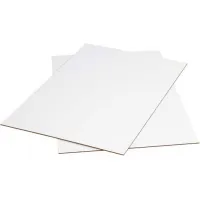
Corrugated sheets are lightweight yet durable protective packaging materials designed for safe product transport and storage. These 48″ x 48″ white corrugated sheets are ideal for businesses requiring cost-effective cushioning, void fill, and structural support in shipping containers and warehouse applications.
Each package contains five sheets of premium-quality corrugated fiberboard constructed with a fluted paper core sandwiched between two linerboard layers, delivering exceptional strength-to-weight ratio. The 48-inch by 48-inch dimensions provide versatile coverage for medium to large-scale packaging needs, fitting standard pallet sizes and oversized boxes. The white color offers aesthetic appeal for customer-facing shipments while maintaining professional appearance in retail and e-commerce environments. These sheets feature crush-resistant properties and perform well in temperature-controlled and ambient warehouse conditions. The corrugated construction provides superior cushioning performance compared to flat cardboard, protecting fragile items, electronics, glassware, and delicate merchandise. With a 3-ply corrugated construction, these sheets balance durability with cost-efficiency, reducing overall packaging expenses without compromising product protection. The material is recyclable and eco-friendly, supporting sustainability initiatives and meeting corporate environmental responsibility standards.
Corrugated sheets are essential for manufacturing plants, third-party logistics (3PL) providers, distribution centers, e-commerce fulfillment operations, and retail supply chains. Common applications include box construction, protective void fill, divider inserts, cushioning layers, packaging material reinforcement, and structural support for heavy items. Food and beverage distributors use corrugated sheets for segregating products and maintaining structural integrity during transit. Manufacturing facilities integrate these sheets into custom packaging solutions for machinery parts, automotive components, and industrial equipment. Pharmaceutical and medical device companies rely on corrugated materials for shock absorption and contamination prevention. Gift and specialty retailers utilize white corrugated sheets for premium presentation, while fulfillment centers depend on bulk quantities to optimize packing operations and reduce per-unit shipping costs.
When selecting corrugated sheets for your packaging operation, evaluate several critical factors to ensure optimal performance. Assess your load-bearing requirements and the weight of products requiring protection—heavier items may require thicker, multi-wall construction. Verify edge crush test (ECT) ratings and burst strength specifications, which indicate the sheet’s ability to withstand compression and impact during stacking and handling. Consider environmental conditions your shipments encounter, including humidity, temperature fluctuations, and potential moisture exposure, as these affect corrugated performance and product protection. Measure precise dimensions needed for your packaging footprint to minimize waste and optimize fit within standard shipping containers. Evaluate bulk purchase discounts and minimum order quantities, as purchasing corrugated sheets in five-pack increments provides flexibility for inventory management. Review supplier certification and quality standards compliance to ensure consistent material properties across orders. Compare white versus natural kraft options based on aesthetic requirements and customer perception. Calculate total cost of ownership by factoring in storage requirements, handling efficiency, and protection value rather than focusing solely on base price.
What size pallet or box should these 48″ x 48″ corrugated sheets fit?
These 48-inch square sheets are engineered to align with standard industrial pallet dimensions (48″ x 40″ Euro pallets and 48″ x 48″ standard pallets). They fit perfectly in large corrugated boxes, oversized mailers, and custom shipping containers requiring full coverage. The 48″ dimension accommodates most automated packaging equipment and manual packing operations without requiring cutting or overlap.
How do I determine if corrugated sheets provide sufficient cushioning for my fragile products?
Corrugated cushioning performance depends on flute profile (A, B, C, or E flutes), material thickness, and ply count. Verify the cushioning value and compression strength specifications against your product weight and drop-test requirements. Layering multiple sheets or combining corrugated with foam inserts enhances protective capabilities for extremely delicate items like glassware, electronics, or ceramics. Consult technical datasheets or conduct drop testing to validate protection levels for your specific application.
What is the difference between corrugated sheets and solid cardboard for packaging applications?
Corrugated fiberboard features fluted paper channels creating air pockets that provide superior shock absorption, cushioning properties, and structural rigidity compared to solid cardboard. Corrugated construction delivers better strength-to-weight performance, meaning lighter material achieves equivalent protection. Solid cardboard offers superior surface finish and flatness for printing but lacks inherent cushioning. Corrugated sheets are preferred for void fill, protective layers, and structural support, while solid cardboard suits box construction and high-quality printing applications.
Order your five-



Reviews
There are no reviews yet.