Description
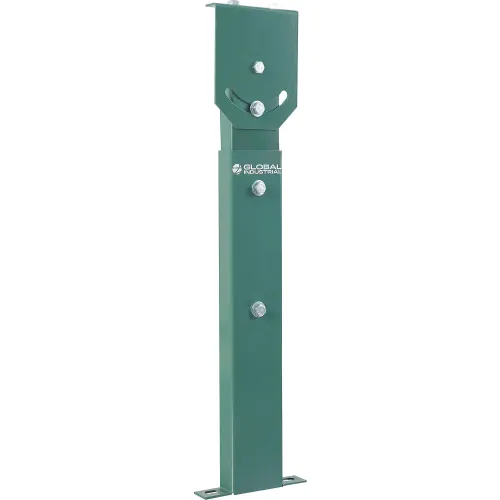
The Conveyor Support Stand for 90 Degree Curved Sections is a precision-engineered structural component designed to stabilize and support curved conveyor belt systems at right-angle transitions. This specialized support frame ensures proper load distribution, alignment, and operational stability when routing conveyor lines through 90-degree turns in warehouse, manufacturing, and distribution environments.
Built for demanding industrial applications, this curved conveyor support stand features robust steel construction with reinforced load-bearing capacity to handle dynamic conveyor loads without deflection or misalignment. The stand accommodates standard curved conveyor roller sections and includes adjustable mounting points for precise height and angle positioning. Key specifications include a heavy-duty welded frame, corrosion-resistant finish options, adjustable leg leveling feet for uneven floor compensation, and compatibility with both rubber and steel belt conveyor systems. The 90-degree transition support is engineered with reinforced corner bracing to manage the stress concentrations inherent in directional changes, while the modular design allows for integration with existing conveyor infrastructure. Industrial-grade fasteners and bolt-down anchor points enable secure installation to warehouse floors, preventing lateral movement and maintaining critical belt tracking during operation.
Conveyor system operators across food processing, automotive manufacturing, parcel sorting, and general material handling rely on 90-degree curved conveyor support stands to maintain system integrity and minimize downtime. Distribution centers utilize these stands when routing packages through right-angle conveyor transitions, while packaging facilities depend on them to support curved sections that move products between production lines. Manufacturing plants integrate these supports into assembly line configurations where space constraints require directional changes, and beverage bottling operations use them to manage product flow through facility layouts. Warehouse automation systems, automated sortation networks, and cross-dock transfer operations all require reliable curved conveyor support to prevent belt slippage, roller misalignment, and structural failures that disrupt throughput.
When selecting a conveyor support stand for curved sections, prioritize understanding your specific load requirements—measured in pounds per linear foot—and the belt speed at which the system operates. Verify that the stand’s load rating exceeds your peak operational loads by a safety factor of at least 25 percent. Confirm compatibility with your curved conveyor roller diameter and width, as these dimensions directly affect mounting hole spacing and structural fit. Consider whether you need adjustable support heights to accommodate existing floor elevations or require fixed-height configurations for standardized installations. Evaluate environmental factors such as moisture exposure, temperature extremes, or chemical splash that might necessitate stainless steel or epoxy-coated finishes rather than standard painted steel. Compare the availability of replacement components and whether suppliers stock common fasteners and wear items. Assess installation requirements—some operations benefit from bolt-down anchoring while others need welded mounting for permanent installations. Finally, confirm that the stand design allows adequate clearance for belt tracking adjustments and routine maintenance access to rollers and bearings.
What size curved conveyor sections does this support stand accommodate?
This 90-degree curved conveyor support stand (SKU: 293192) is engineered to support standard curved roller sections with diameters ranging from 4 to 8 inches and conveyor belt widths from 18 to 48 inches. The adjustable mounting brackets accommodate the most common curved conveyor configurations used in industrial material handling. If your system uses specialty curved sections outside these ranges, consult with our technical team regarding custom support solutions, as we manufacture support stands for oversized curved conveyor applications with extended load ratings.
How do I determine the correct load rating for my curved conveyor support stand?
Calculate your required load rating by multiplying the weight of products on the conveyor belt at any given moment by a safety factor of 1.25 to 1.5. For example, if your belt carries 500 pounds of product material at peak capacity, your support stand should be rated for minimum 625 to 750 pounds. Additionally, account for the weight of the curved conveyor roller itself—typically 150 to 300 pounds depending on diameter and width. Document the belt speed in feet per minute and the product material type (heavy objects versus lightweight parcels), as these factors influence dynamic load calculations. Our product specifications clearly state static and dynamic load ratings, ensuring you select the appropriate support stand for your specific application parameters.
What is the difference between welded and bolt-down conveyor support installation methods?
Bolt-down installation uses anchor bolts inserted through floor holes to secure the support stand, offering flexibility for repositioning or reconfiguring conveyor layouts without permanent floor modifications. This method is ideal for rental equipment, systems undergoing frequent layout changes, or facilities with floor constraints. Welded installation permanently attaches the support stand base to the facility floor or structural steel framework, providing maximum rigidity and eliminating any potential movement or vibration. Welded configurations are preferred for high-speed conveyor systems, heavy-duty sortation equipment, and permanent warehouse installations where stability is paramount. The choice depends on your facility’s flexibility requirements and whether your building infrastructure supports permanent floor anch



Reviews
There are no reviews yet.