Description
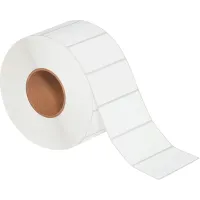
Thermal Transfer Labels, 4″W x 2″L, 3″ Core, White, 4/Pack are high-performance label rolls engineered for direct thermal printing and barcode generation in industrial shipping and logistics environments. These white thermal transfer labels deliver sharp, durable printing output for product identification, shipping documentation, and inventory tracking across warehouses, manufacturing facilities, and distribution centers.
This product features industry-standard dimensions of 4 inches wide by 2 inches long per label, with a 3-inch core diameter that fits most commercial thermal label printers and barcode equipment. The 4-pack quantity provides substantial roll capacity for high-volume printing operations, while the white matte finish ensures excellent print contrast for barcode scanners and optical character recognition (OCR) systems. These thermal transfer labels are manufactured from premium-grade label stock that resists smudging, fading, and mechanical wear, making them suitable for shipping labels, packing slips, asset tags, and warehouse management applications. The labels feature consistent adhesive backing for reliable stick-on application to corrugated boxes, packages, and shipping containers without lifting or peeling during transit. Each roll is precision-wound to eliminate label jams and feeding errors in automated label printer systems, supporting both desktop and industrial-grade thermal printers operating at standard print speeds.
Thermal transfer labels are essential for logistics professionals, warehouse managers, manufacturing supervisors, and supply chain operations teams who require cost-effective, reliable labeling solutions for daily shipping and packing workflows. These labels are commonly deployed in e-commerce fulfillment centers, third-party logistics (3PL) providers, manufacturing plants, retail distribution networks, and material handling operations. Common applications include FedEx, UPS, and USPS shipping label generation; inventory asset tracking; work-in-progress (WIP) component identification; product serialization; and batch coding for traceability compliance. The white label background provides maximum contrast for barcode symbologies including Code 128, UPC, EAN, and QR codes, ensuring reliable scanning performance in point-of-sale (POS) systems, warehouse management systems (WMS), and enterprise resource planning (ERP) software integrations.
When selecting thermal transfer labels for your operation, prioritize label size compatibility with your existing thermal printer model and verify that the 3-inch core diameter matches your printer’s mandrel specifications. Evaluate label stock thickness and material composition to ensure durability in your specific environment—whether exposed to moisture, temperature fluctuations, or mechanical handling during shipping. Confirm adhesive strength meets your application requirements, particularly if labels will be applied to textured surfaces, cold storage environments, or high-speed conveyor systems. Consider label quantity per roll and pack count to optimize your inventory management and printing downtime between roll changes. Verify that label specifications comply with carrier requirements if used for USPS, FedEx, or UPS shipping documentation, and confirm print resolution output (typically 203 DPI or 300 DPI) matches your barcode clarity and readability standards.
What size are these thermal transfer labels, and will they fit my printer?
These thermal transfer labels measure 4 inches wide by 2 inches long, with a standard 3-inch core diameter. This sizing accommodates most commercial thermal label printers, including desktop models from major manufacturers. Before purchase, verify your printer’s specifications for maximum label width (typically 4-6 inches) and core diameter compatibility (1-inch or 3-inch cores). Check your printer’s documentation for supported label dimensions and material thickness to ensure optimal feeding and print quality without mechanical binding or label misalignment.
How do I integrate these labels with my warehouse management system?
Thermal transfer labels integrate seamlessly with WMS platforms, barcode scanning systems, and inventory management software through standard barcode symbologies printed on the white label surface. Your thermal printer driver software allows you to design custom label layouts with variable data fields pulled directly from your WMS database—including order numbers, tracking codes, weights, and destination addresses. Configure your printer settings for the 4″W x 2″L label dimensions, set appropriate print density for optimal barcode contrast, and validate label output through test prints before full production runs. Most thermal printers support integration via USB, Ethernet, or wireless connectivity, enabling direct WMS command transmission for on-demand or batch label printing without manual intervention.
What is the difference between thermal transfer and direct thermal labels?
Thermal transfer labels require a printer ribbon that applies heat-activated ink to the label surface, producing long-lasting prints resistant to fading, moisture, and chemical exposure—ideal for permanent product identification and shipping documentation. Direct thermal labels use heat-sensitive label material without ribbon, offering faster, lower-cost printing but reduced durability and limited lifespan in harsh environments. Choose thermal transfer labels when durability, longevity, and print permanence are critical for regulatory compliance, long-term traceability, or harsh warehouse conditions. Select direct thermal for short-term applications, high-speed operations, or cost-sensitive environments where label durability is less critical than throughput speed.
Order Thermal Transfer Labels, 4″W x 2″L, 3″ Core, White,


Reviews
There are no reviews yet.