
Description
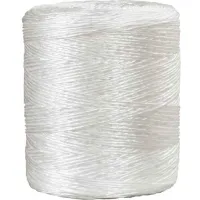
Polypropylene tying twine is a versatile, industrial-grade fastening solution designed for securing bundles, packages, and pallets in high-volume shipping and storage environments. This 3-ply, 1800-foot spool delivers 725 pounds of tensile strength, making it suitable for demanding applications across manufacturing, distribution, agriculture, and logistics operations.
Key Features and Specifications
This polypropylene tying twine combines durability with practical handling characteristics that industrial buyers demand. The 3-ply construction provides balanced strength and flexibility, resisting fraying and maintaining integrity under tension. With a tensile strength rating of 725 pounds, this twine accommodates medium to heavy-duty bundling tasks without requiring specialized equipment. The 1800-foot length per spool maximizes efficiency and reduces frequent spool changes during production runs. The white color ensures visibility for quality control inspections and inventory tracking. Polypropylene material offers superior resistance to moisture, rot, and UV degradation compared to natural fiber alternatives, extending service life in both indoor and outdoor storage conditions. The twine diameter and ply configuration balance workability with load-bearing capacity, allowing operators to tie securely without excessive hand fatigue during repetitive applications.
Industries and Applications
This product serves manufacturers, warehouses, distribution centers, agricultural operations, and logistics providers who require reliable bundling solutions. Common applications include securing corrugated boxes on pallets, fastening wire harnesses and cable bundles, binding product groups for shipment, securing baled materials including hay and straw, and creating temporary tie-downs for equipment and components. Manufacturing facilities use polypropylene tying twine for assembly line operations where consistent bundle integrity prevents product damage during transit. Produce distributors and agricultural suppliers depend on this twine for securing produce crates and securing bulk goods. Retail distribution centers utilize it for consolidating mixed-SKU orders into secure packages. Construction and trade suppliers use the twine for bundling materials, fastening loads to pallets, and creating grab handles on heavy packages. The non-corrosive properties make it suitable for food processing environments and outdoor storage yards where metal fasteners would degrade.
What to Consider When Selecting Tying Twine
Purchasing professionals should evaluate tensile strength requirements based on bundle weight and handling conditions. Higher tensile strength rating accommodates heavier loads but may be unnecessary for lightweight applications, affecting cost efficiency. Consider the working environment: polypropylene excels in outdoor and moisture-prone settings, while natural fiber twines may be preferred in specialty applications. Spool length determines changeover frequency and storage requirements; longer spools reduce labor interruptions but require more warehouse space. Ply configuration affects both strength and ease of tying—3-ply twine balances these factors for general industrial use. Assess operator preferences regarding twine diameter and texture, as some applications benefit from finer twines for precision work while others require heavier gauges for security. Evaluate color options based on visibility needs and compliance with specific customer or regulatory requirements. Bulk purchasing volume often influences unit pricing, making it worthwhile to calculate optimal order quantities based on monthly consumption rates and storage capacity.
What size bundle can this 725 lb. tensile strength twine secure?
The 725-pound tensile strength rating indicates the breaking point under direct pulling force, not the maximum bundle weight. Practical applications typically use a safety factor of 3-5, meaning this twine securely handles bundles weighing 145-240 pounds depending on load distribution and tie configuration. For heavier bundles, use multiple passes of twine or multiple tie points. Consider how the bundle will be handled—bundles moved by hand require lower tensile ratings than palletized bundles moved by equipment. The number of wraps and knot type also affect practical load capacity; a properly tied square knot uses approximately 70-80% of the twine’s rated strength.
How do I calculate how many spools I need for monthly operations?
Audit your current twine usage over a representative week by tracking spool consumption. Multiply weekly usage by 4.3 (average weeks per month) to project monthly demand. Account for seasonal variations if your business experiences demand fluctuations. Consider that the 1800-foot spool length allows approximately 60-100 ties per spool depending on bundle size and the amount of twine used per tie. Multiply your average daily bundles by the twine length required per bundle to calculate daily footage. Building a 15-20% buffer into orders prevents stockouts and allows flexibility for operational changes.
What is the difference between 3-ply and 2-ply polypropylene twine?
The ply count refers to the number of strands twisted together to form the twine. 3-ply twine offers higher tensile strength, improved abrasion resistance, and better load distribution compared to 2-ply alternatives. 3-ply construction also reduces the likelihood of single-strand breakage compromising the entire tie. While 2-ply twine costs less and works well for lighter applications, 3-ply provides superior durability and



Reviews
There are no reviews yet.