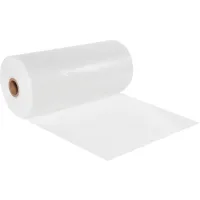
Description
Low Density Polyethylene (LDPE) tubing is a flexible, clear plastic film rolled into a continuous tube format designed for wrapping, bundling, and protecting products during storage and shipment. This 3-inch wide tubing with 1075 feet of usable length per roll provides cost-effective protection for a wide range of industrial and commercial applications requiring reliable cushioning and containment.
This poly tubing roll delivers exceptional performance across multiple industries through its combination of critical specifications. The 4 mil gauge thickness strikes an optimal balance between durability and flexibility, offering sufficient puncture resistance while maintaining ease of handling and application. The 3-inch width accommodates mid-sized products and equipment requiring individual wrapping or bundling, while the 1075-foot length maximizes material yield per roll and reduces changeover frequency. The clear formulation allows visibility of contents for inventory verification and quality control without removing the protective wrapping. LDPE material composition provides superior flexibility compared to high-density alternatives, enabling conformance to irregular shapes while resisting brittleness in cold storage environments. The tubing maintains consistent performance across temperature ranges typical in warehouses, distribution centers, and shipping containers.
End-users across manufacturing, e-commerce fulfillment, logistics, food processing, pharmaceuticals, and industrial distribution rely on poly tubing for primary and secondary packaging applications. Manufacturers use continuous poly tubing for protecting machined components, electrical assemblies, and precision instruments during production and transit. E-commerce warehouses employ tubing for wrapping fragile items, consolidating multi-unit shipments, and creating tamper-evident seals on outbound boxes. Food and beverage producers utilize this material for protecting products from moisture, dust, and oxidation in both cold chain and ambient storage. Logistics providers wrap palletized goods, securing load integrity while allowing forklift penetration and dimensional verification. The tubing’s clarity enables barcode scanning and product identification without unwrapping, streamlining receiving and fulfillment operations.
When evaluating poly tubing for your application, consider multiple factors beyond basic dimensions. Gauge thickness directly correlates with tear resistance and puncture protection—thicker materials suit heavy or sharp-edged products, while thinner gauges reduce material costs for lightweight items. Resin composition matters significantly: LDPE provides flexibility and cold-temperature performance, while other formulations optimize for heat sealing, UV resistance, or anti-static properties. Roll width and length should align with your product dimensions and volume requirements to minimize waste and handling. Clarity level ranges from completely transparent to opaque or tinted options—clear tubing works best when visibility is essential for quality control and verification. Storage conditions affect performance: keep poly tubing away from direct sunlight, extreme heat, and sharp objects. Assess whether you need manual application with heat sealers, impulse sealers, or automated dispensing systems. Calculate cost-per-linear-foot across different roll configurations to optimize inventory carrying costs against reorder frequency.
What size poly tubing do I need for my application?
Poly tubing sizing depends on product dimensions and wrapping method. The 3-inch width works effectively for individual products or bundles up to approximately 1-2 inches in diameter, or for flat items up to 2.5 inches wide. Measure your widest product dimension, then select tubing width equal to or slightly exceeding that measurement—oversized tubing wastes material and creates excessive wrapping, while undersized tubing tears during application. Consider whether you’re wrapping individual units or creating consolidated bundles, as bundled products may require wider tubing than single-item wrapping.
How do I seal poly tubing once wrapped?
Low-density polyethylene tubing seals effectively using heat sources including impulse sealers, handheld heat guns, or L-bar sealers common in industrial environments. Position the tubing end between heated jaws or apply direct heat until the plastic fuses together, creating an airtight seal. Most 4 mil LDPE tubing seals reliably at temperatures between 250-350°F with 1-2 second dwell times. Alternatively, use twist-and-secure methods with zip ties or tape for applications where permanent sealing isn’t required. Test your sealing method on sample material before large-scale production to ensure consistent seal quality.
What is the difference between 4 mil and thicker poly tubing gauges?
Gauge thickness, measured in mils (thousandths of an inch), directly impacts durability, cost, and handling characteristics. Four mil tubing provides adequate protection for most general-purpose applications, moderate puncture resistance, and reasonable material cost—making it industry-standard for balanced performance. Six mil and heavier gauges offer superior puncture and tear resistance for heavy products, rough handling, or sharp edges, but cost more per linear foot and seal less easily. Two mil or thinner tubing suits lightweight, non


Reviews
There are no reviews yet.