Description
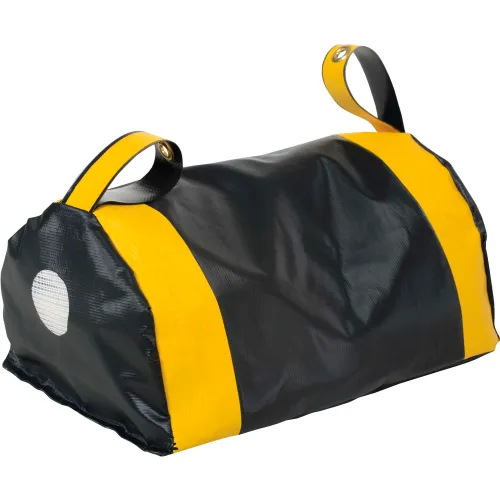
The DOCK SEAL DRAFT BLOCKER 18″ is a vinyl-constructed foam-filled barrier designed to seal gaps between loading dock doors and trailer openings, preventing outside air infiltration and maintaining climate-controlled warehouse environments. This high-visibility safety product is essential for facilities that require thermal insulation, pest prevention, and energy efficiency at their dock operations.
Key features of this dock seal draft blocker include its durable 18-inch length, making it ideal for standard loading dock configurations and trailer height variations. The vinyl construction provides weather resistance and withstands repeated dock door cycling, while the foam-filled core compresses to accommodate uneven trailer surfaces and creates an effective seal against drafts, moisture, and infiltration. High-visibility yellow safety stripes clearly mark the blocker’s position around dock perimeters, improving workplace safety and reducing dock hazards. This product delivers superior air sealing performance compared to standard inflatable dock seals, maintaining consistent compression even after extended use. The foam-filled design eliminates the need for maintenance air pressure systems, reducing operational complexity and lowering total cost of ownership for busy distribution centers and manufacturing facilities.
Dock seal draft blockers are widely used across cold storage warehouses, food distribution centers, pharmaceutical storage facilities, and temperature-controlled manufacturing environments where maintaining consistent interior climate conditions is critical. Retail distribution centers utilize these blockers to reduce HVAC strain during peak loading hours, while cross-dock operations benefit from improved thermal retention and reduced heating/cooling costs. Facilities managing hazardous material storage rely on effective dock sealing to prevent contamination and maintain environmental compliance. E-commerce fulfillment centers and logistics hubs deploy multiple units to manage air infiltration across multiple dock doors simultaneously, improving energy efficiency and workplace comfort. Industries including automotive parts distribution, beverage logistics, and perishable goods handling consider dock seal draft blockers essential components of their dock equipment infrastructure.
When selecting a dock seal draft blocker for your facility, evaluate the dock opening dimensions and trailer height variation at your location to ensure proper coverage and contact. Consider the compression rating and foam density to match your specific dock door cycle frequency and traffic patterns—higher-density foam maintains performance in high-volume operations. Assess your climate control priorities: facilities in extreme temperature zones or humid environments require robust sealing performance, while moderate climates may prioritize cost-effectiveness. Review the vinyl material thickness and durability ratings, particularly if your dock experiences heavy traffic or seasonal weather extremes. Examine installation requirements and mounting compatibility with existing dock door systems, dock levelers, and trailer positioning equipment. Factor in maintenance accessibility—foam-filled designs reduce ongoing maintenance compared to inflatable alternatives. Verify compliance with your facility’s safety standards and dock equipment regulations, ensuring the high-visibility striping meets OSHA requirements and workplace safety protocols.
What size dock seal draft blocker do I need?
The 18-inch length is the industry standard for most commercial loading docks and fits standard trailer door openings and dock door frames. Measure your dock opening width and trailer height variation to confirm this size accommodates your application. Most facilities deploy multiple units horizontally across wider dock openings or install them at both sides of the dock door perimeter. For non-standard dock configurations, consult your dock equipment specifications to ensure proper fit and sealing effectiveness.
How do I install the dock seal draft blocker on my existing dock doors?
Installation typically involves mounting the blocker to the dock frame using mounting brackets or adhesive-backed fastening systems. Position the blocker to create contact with incoming trailers at the appropriate compression level—usually 2-3 inches of foam compression ensures optimal sealing without excessive resistance. Most installations do not require modifications to existing dock leveler systems or trailer positioning equipment. Verify mounting height aligns with your typical trailer door height range to maximize air sealing performance. Professional installation is recommended for facilities with multiple dock doors or complex dock configurations.
What is the difference between foam-filled draft blockers and inflatable dock seals?
Foam-filled blockers like this model provide consistent, maintenance-free sealing performance without requiring air pressure monitoring or compressor systems. Inflatable dock seals offer adjustable compression but require regular air pressure checks, potential valve maintenance, and replacement of seals over time. Foam-filled designs deliver superior durability in high-traffic docks, eliminate the risk of pressure loss, and reduce operational overhead while maintaining effective thermal insulation and infiltration prevention. Choose foam-filled construction for reliability; choose inflatable systems only if adjustable compression is critical to your specific dock operation.
Order your DOCK SEAL DRAFT BLOCKER 18″ (SKU: 987970) today for fast shipping and




Reviews
There are no reviews yet.